

Paris Hilton
CellAir Pro at Sliving Spa
Intermittent hypoxia/hyperoxia training (IHHT/IHT) is an innovative form of simulated altitude training, scientifically grounded and versatile for medical facilities and longevity centres, commercial settings, premium and top hotels, and private users.
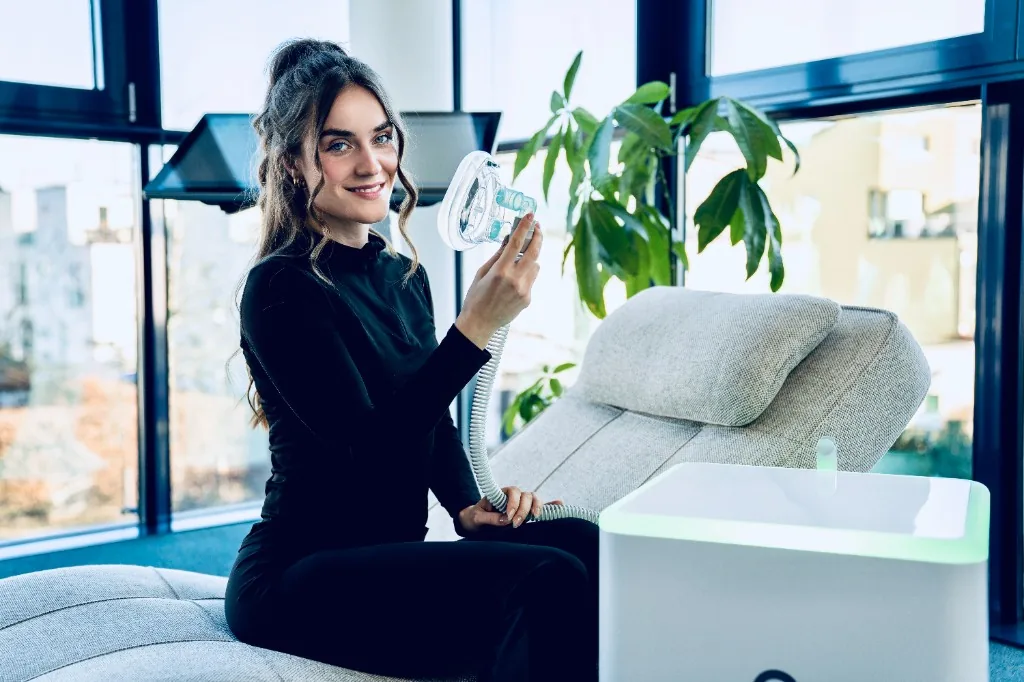
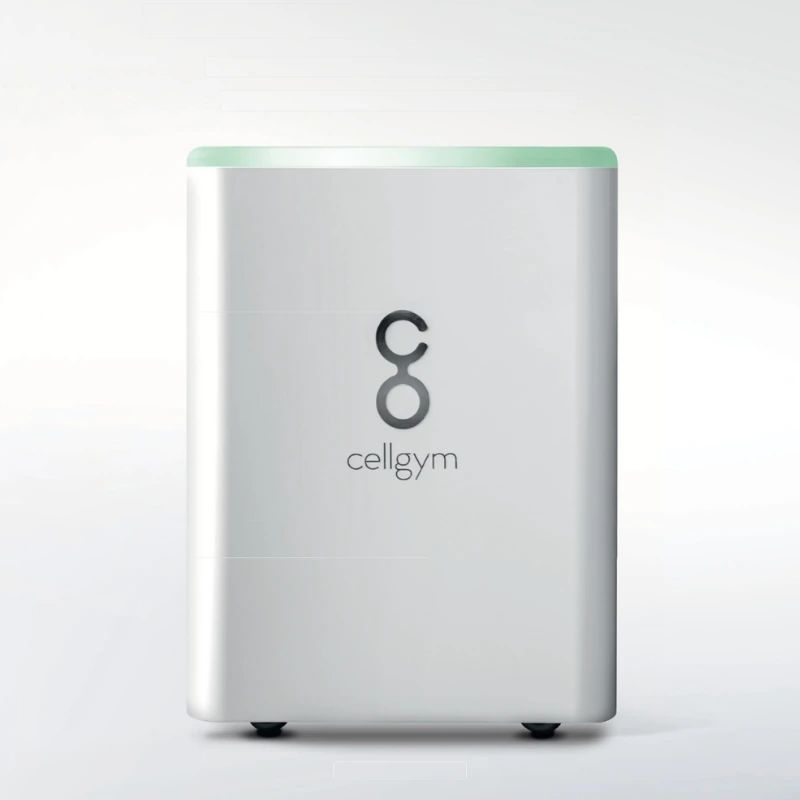
Learn how Andrea Tillinger uses Cellgym in her practice and why IHHT is far more than technology for her.








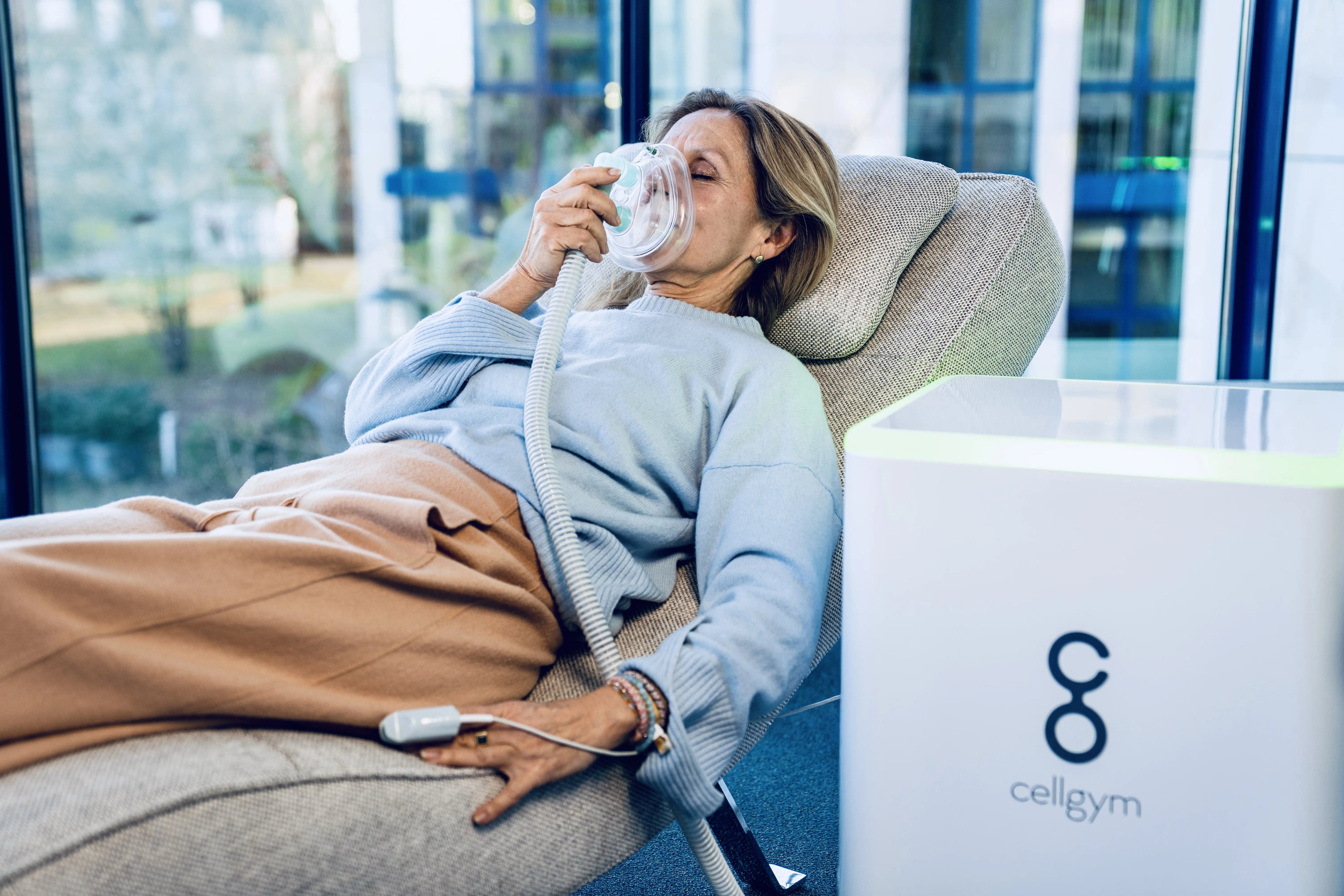
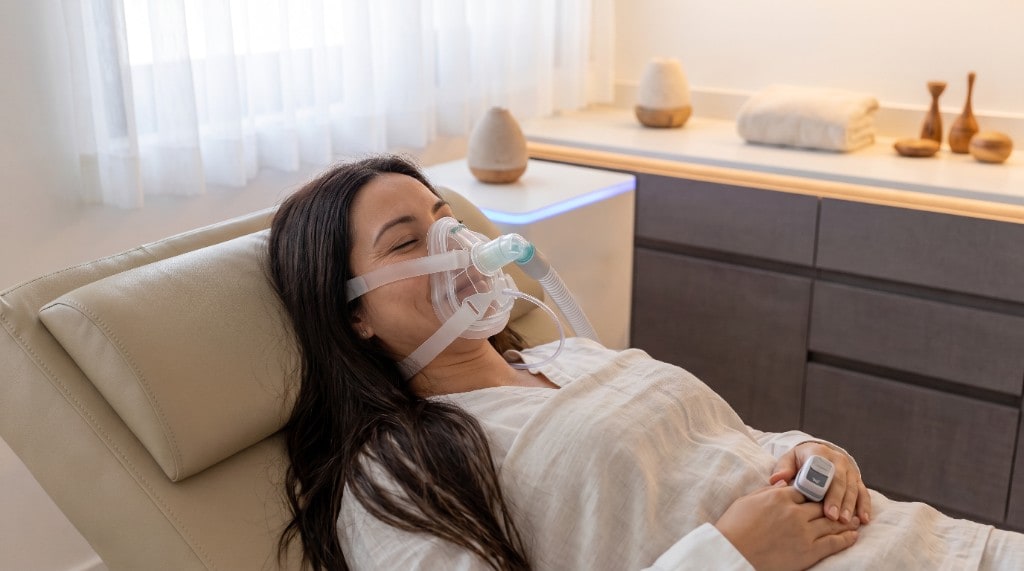
Intermittent hypoxia–hyperoxia training (IHHT) is controlled oxygen training that simulates an altitude stimulus, virtually without climbing a mountain.
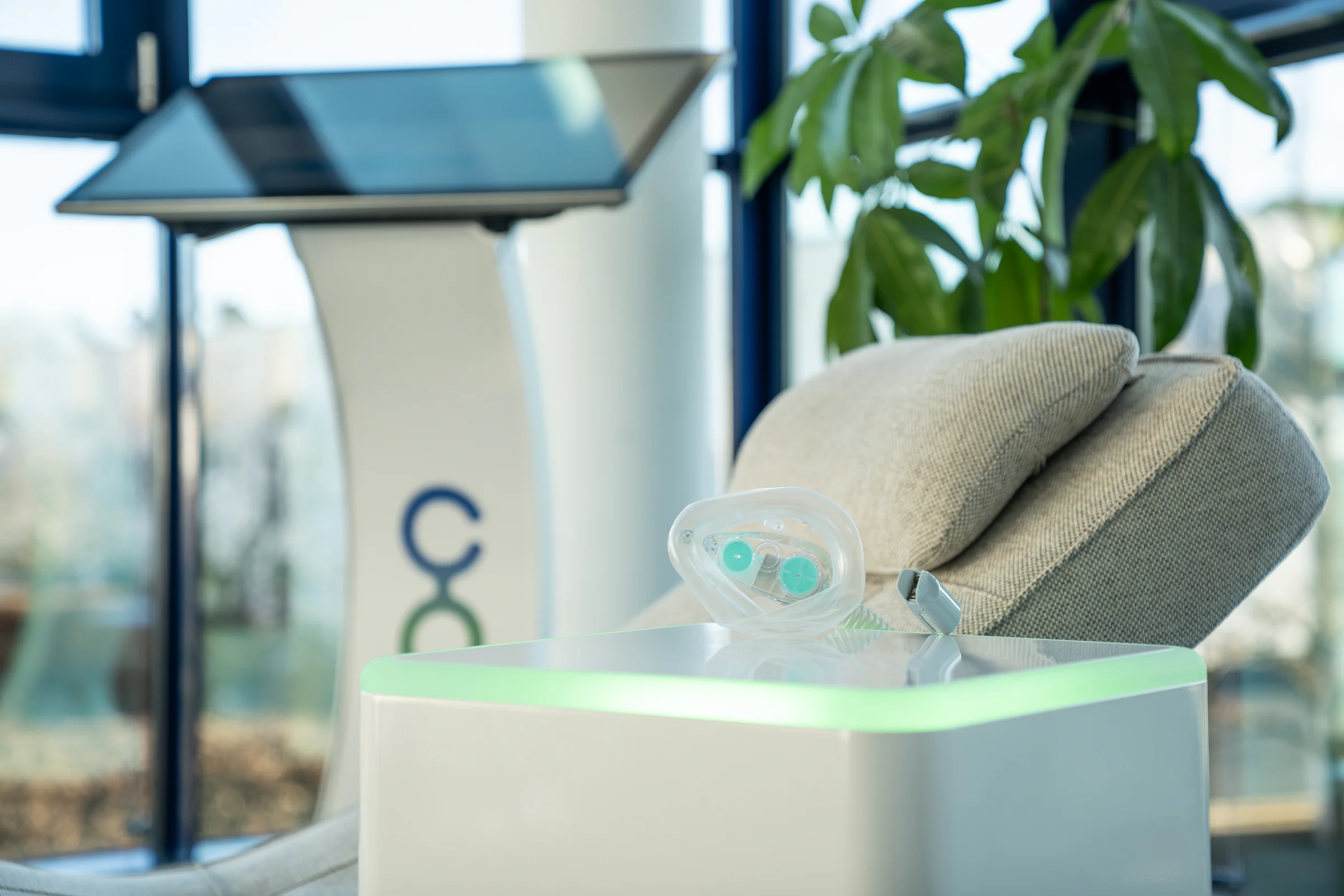
Via a breathing mask, users alternate between oxygen-reduced and oxygen-enriched air. This stimulus supports the body’s adaptability and modern recovery and prevention concepts.
Decentralised control of up to 10 devices for uninterrupted treatment.
Advanced analytics and our patented Hypoxic Session Index optimise every training session.
Where regular service intervals are part of daily life, Cellgym relies on durable technology for significantly less maintenance.
Clear presentation and management of training results, easy to share with patients.
Leading figures in medicine, biohacking, wellness and performance worldwide trust the CellAir Pro. Our technology supports modern concepts around regeneration, cellular health and long-term vitality.
CellAir Pro at Sliving Spa
Pioneer of biohacking

Longevity starts at the cellular level

Years of experience with cellular training

Precision medicine meets cellular training
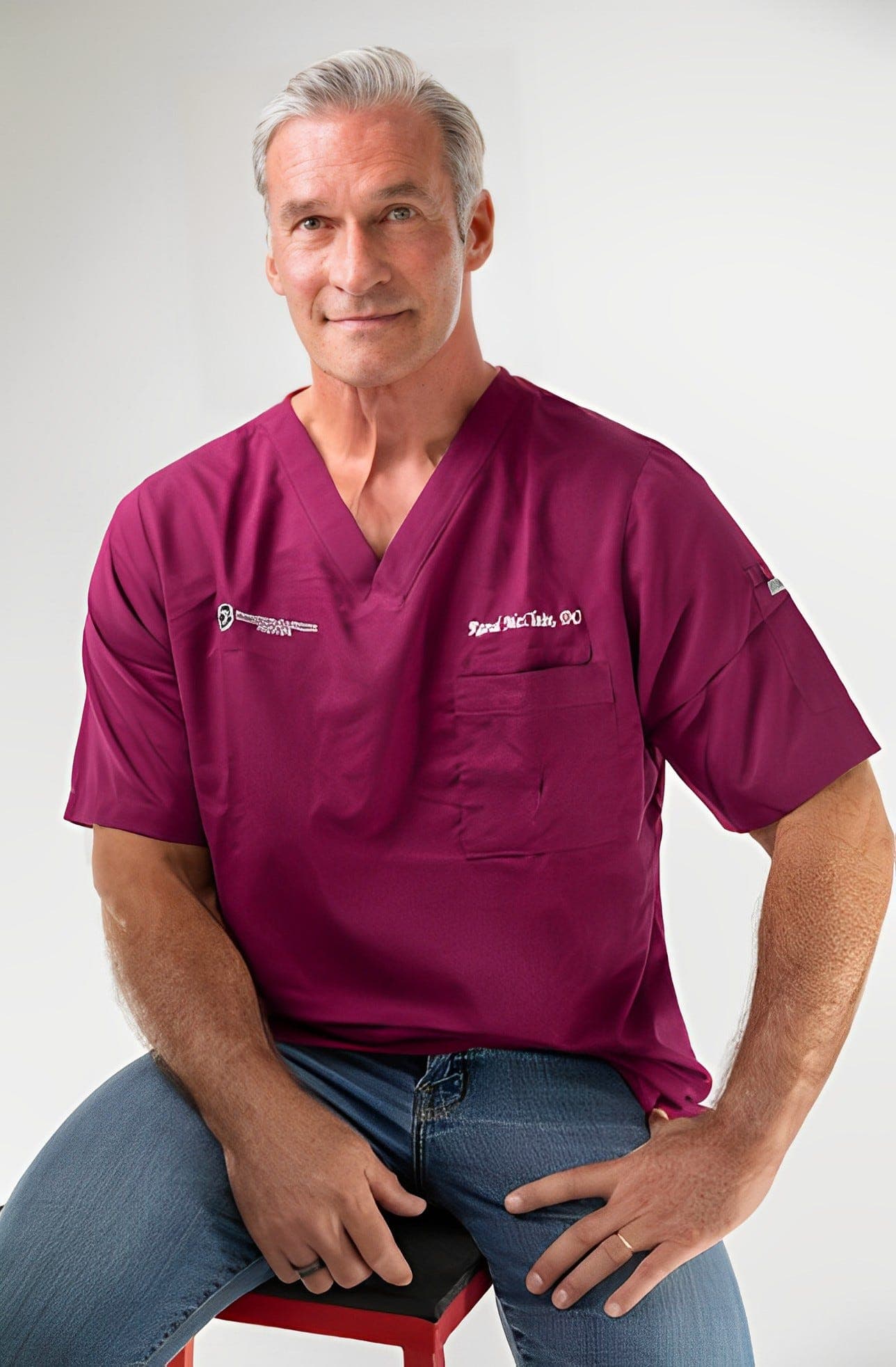
Performance medicine at the highest level

Modern cellular health in practice

Performance starts in the brain
From renowned physicians and leading biohackers to international entrepreneurs and wellness visionaries: the CellAir Pro is used wherever people seek new ways to support their health, recovery and performance over the long term.
Breathe. Recharge. Thrive.
Made in Germany, designed for maximum precision and comfort, in professional settings and at home.
Made in Germany, designed for maximum precision and comfort, in professional settings and at home.
Which device is right for you?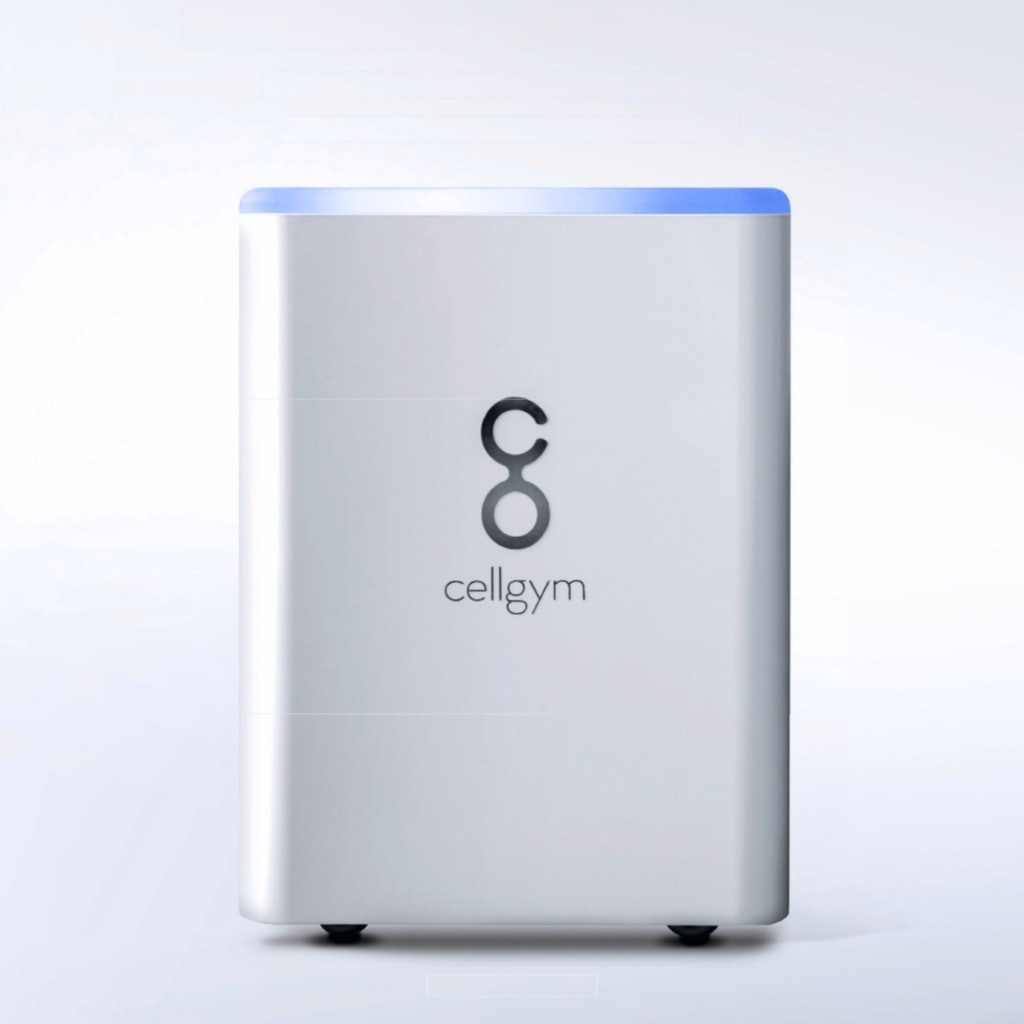
Cellair Home is the ideal training system for the whole family. Easy to use and absolutely safe, it offers a reliable training experience at home.
Cellair Pro is one of the most advanced high-tech devices on the market, perfect for professional use in commercial facilities such as longevity, corporate and training centres.
With Cellair Lounge, specialised cellgym providers such as wellness hotels, longevity centres and breathing lounges can operate up to 10 systems simultaneously via central control software.
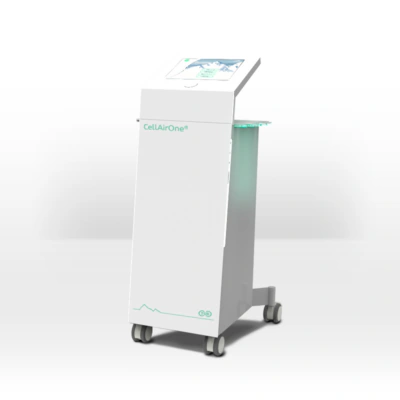
Cellair One is the proven medical product for doctors and therapists. As the first Cellair system with medical approval in Europe (Class IIa), it completes the Cellair family as a standalone system.
Cellair Home is the ideal training system for the whole family. Easy to use and absolutely safe, it offers a reliable training experience at home.
Cellair Pro is one of the most advanced high-tech devices on the market, perfect for professional use in commercial facilities such as longevity, corporate and training centres.
With Cellair Lounge, specialised cellgym providers such as wellness hotels, longevity centres and breathing lounges can operate up to 10 systems simultaneously via central control software.
Cellair One is the proven medical product for doctors and therapists. As the first Cellair system with medical approval in Europe (Class IIa), it completes the Cellair family as a standalone system.
Cellair Home is the ideal training system for the whole family. Easy to use and absolutely safe, it offers a reliable training experience at home.
Cellair Pro is one of the most advanced high-tech devices on the market, perfect for professional use in commercial facilities such as longevity, corporate and training centres.
With Cellair Lounge, specialised cellgym providers such as wellness hotels, longevity centres and breathing lounges can operate up to 10 systems simultaneously via central control software.
Cellair One is the proven medical product for doctors and therapists. As the first Cellair system with medical approval in Europe (Class IIa), it completes the Cellair family as a standalone system.
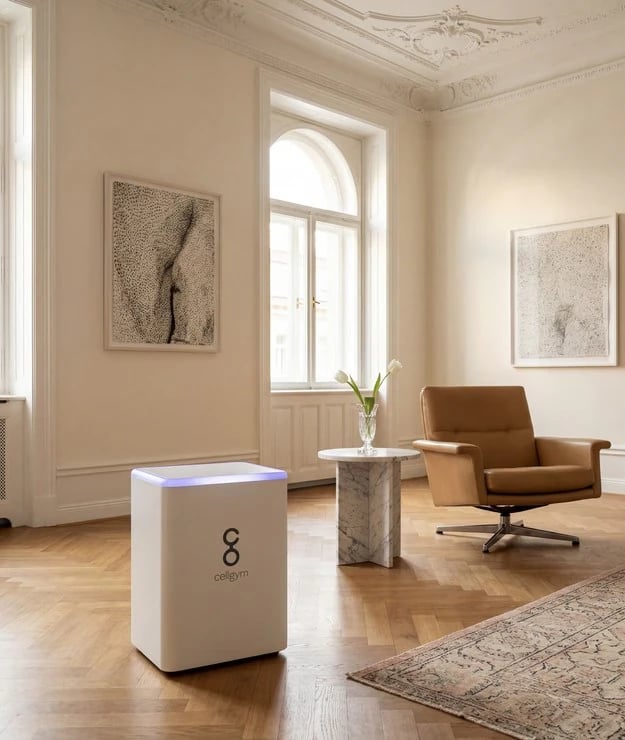
The compact solution for training at home. Intuitive operation and the same patented technology as Cellair Pro. For everyone who wants to make IHHT a permanent part of their daily life.
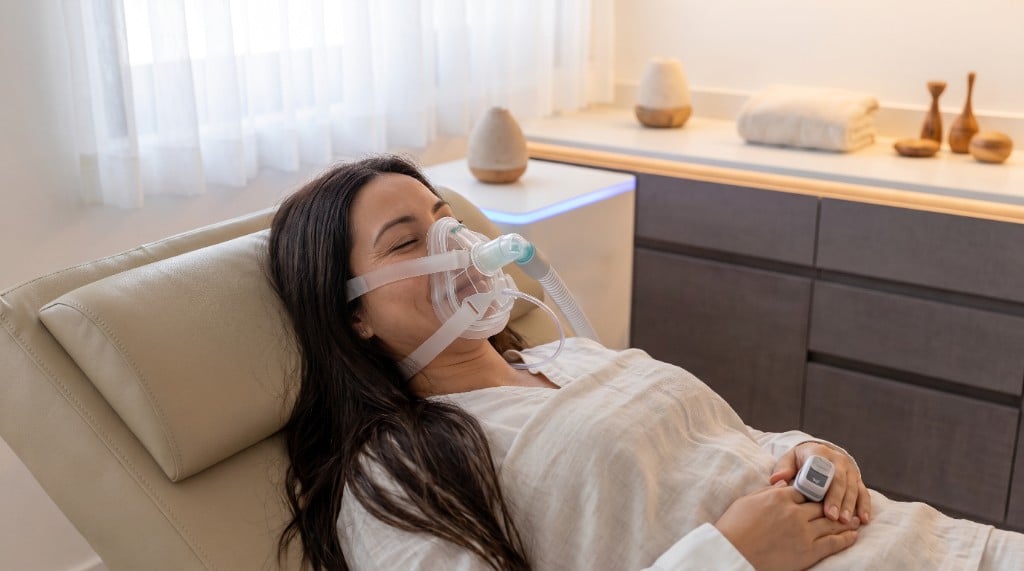
Our most powerful system in the Cellair series with Oxygen Intelligence and the patented Hypoxic Session Index. For practices and therapists who want to establish IHHT as a signature offering and integrate it scalably into operations.
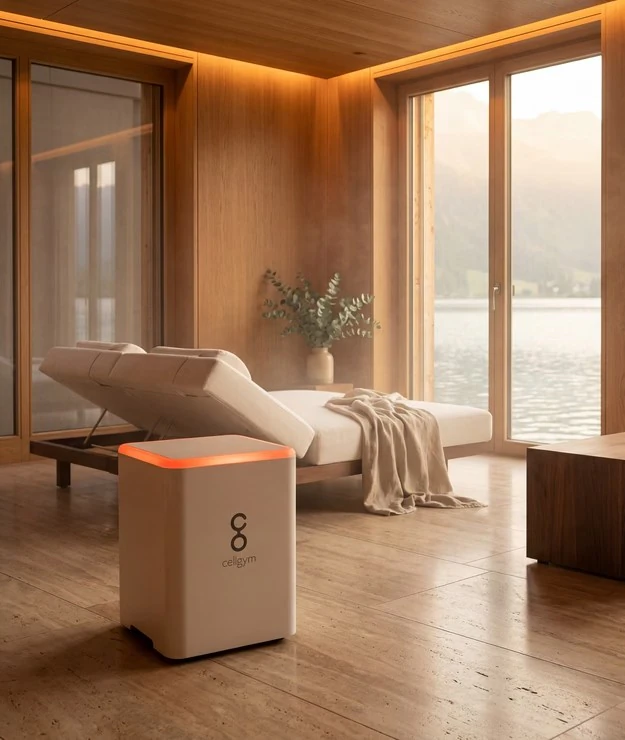
With Cellair Lounge, specialised providers operate up to 10 systems via central control, ideal for top and luxury hotels, breath lounges and premium wellness facilities.
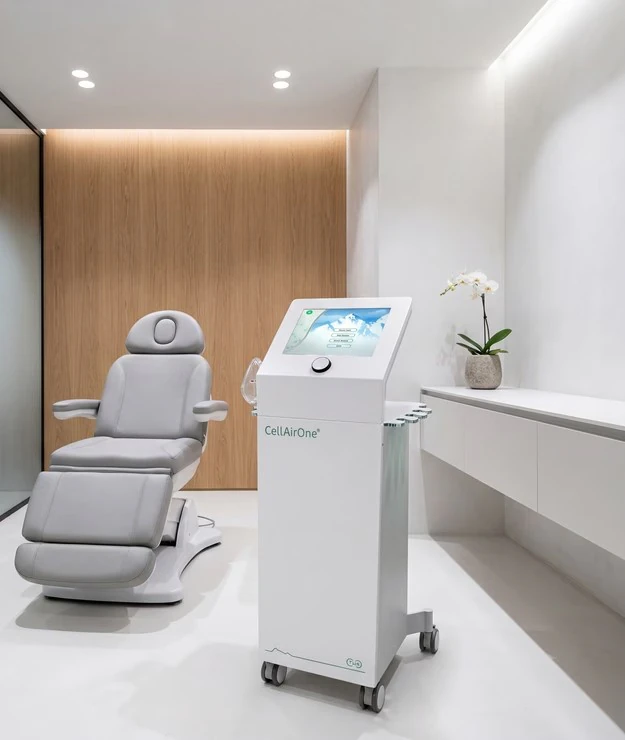
Developed and certified for use in medical facilities. With CE marking for Class IIa, including HRV real-time monitoring. For facilities that require high certification standards.
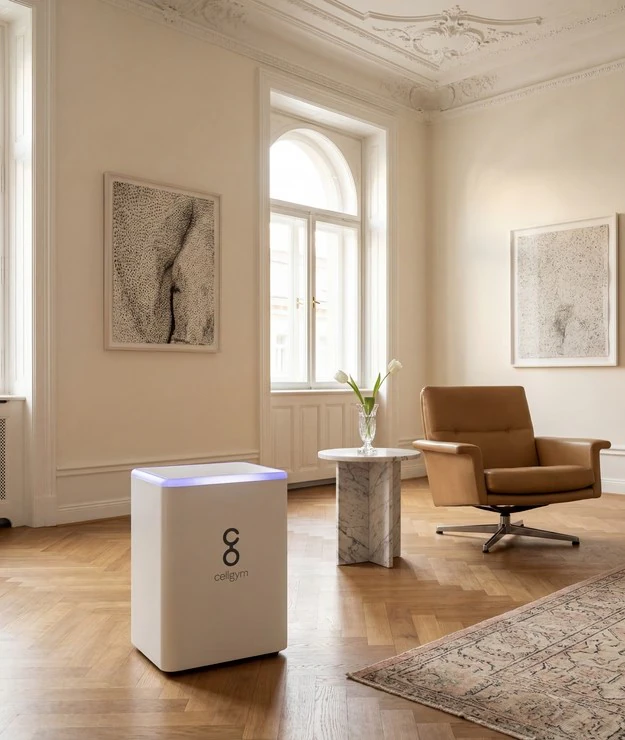
The compact solution for training at home. Intuitive operation and the same patented technology as Cellair Pro. For everyone who wants to make IHHT a permanent part of their daily life.
Our most powerful system in the Cellair series with Oxygen Intelligence and the patented Hypoxic Session Index. For practices and therapists who want to establish IHHT as a signature offering and integrate it scalably into operations.
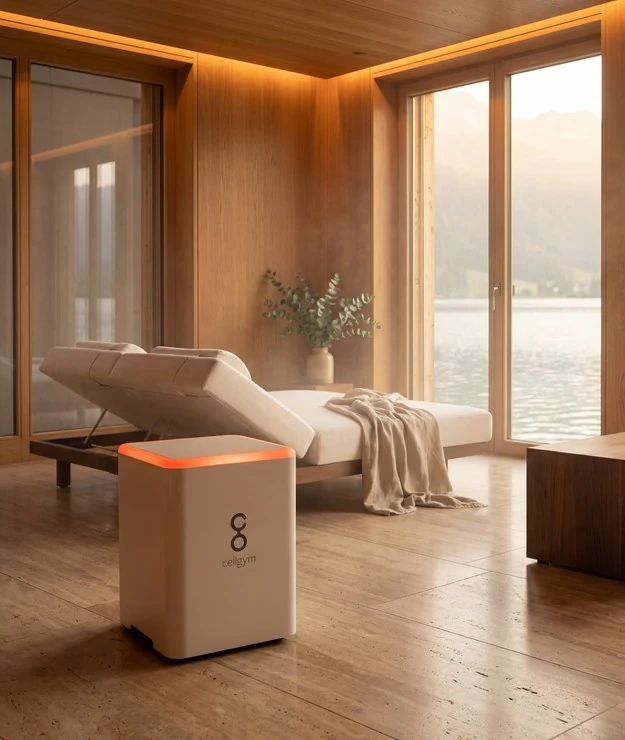
With Cellair Lounge, specialised providers operate up to 10 systems via central control, ideal for top and luxury hotels, breath lounges and premium wellness facilities.
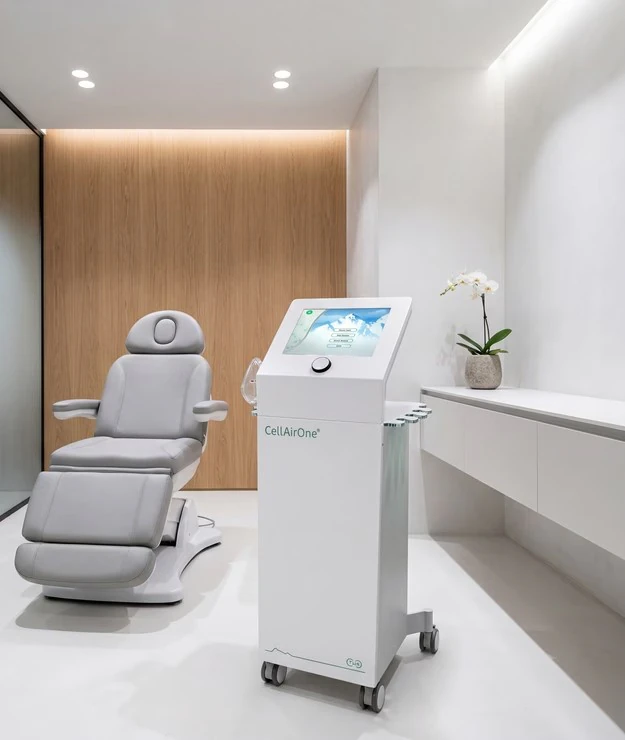
Developed and certified for use in medical facilities. With CE marking for Class IIa, including HRV real-time monitoring. For facilities that require high certification standards.
We believe in science and let it guide us to improve people’s lives sustainably.
Our partner, IHT Akademie e.V., offers comprehensive education on IHT/IHHT, from foundation courses for newcomers to advanced master programmes. Online and in person.
We provide proven standard practice concepts and work with our expert panel to develop tailored solutions for your practice.


„I have been using Cellgym to treat patients in my practice for five years, with remarkable success.“
„Cellgym is part of our family life, as natural and valuable to us as good food.“

„Cellgym has been an important part of our medical programmes for years.“
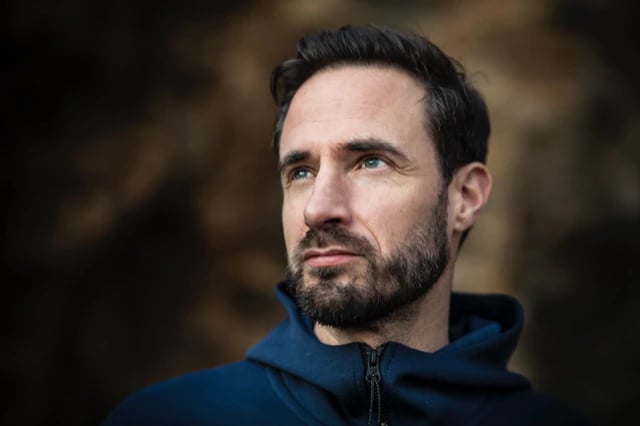
„Cellgym is a constant component of my holistic approach, offering safety and results.“
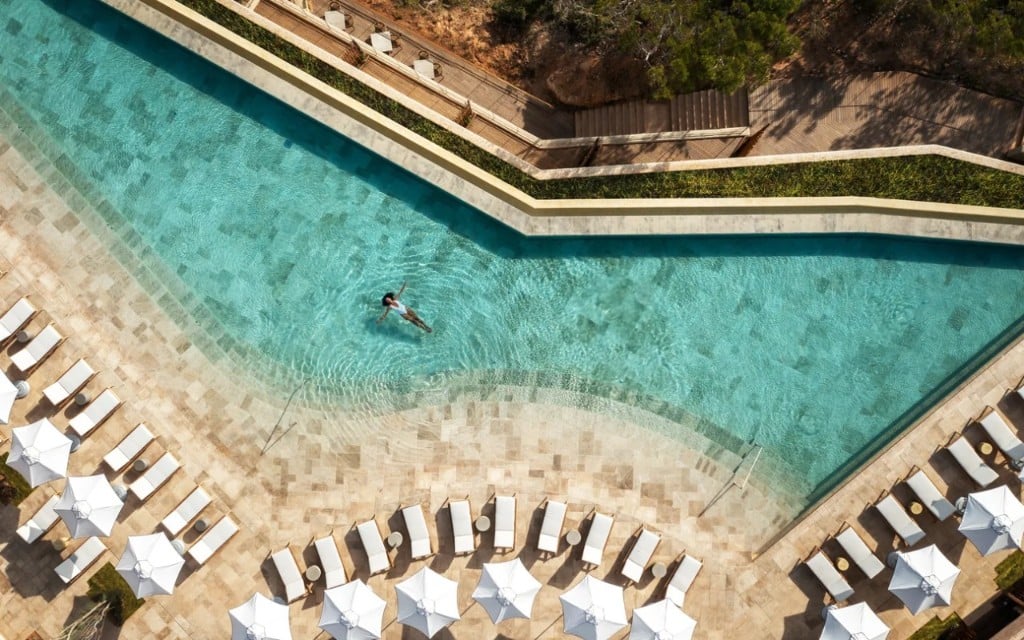
Helping people reconnect with themselves, others and the world around them is the mission of Six Senses, one of the world’s most exclusive hotel groups with 26 locations worldwide.
Their vision of a harmonious, mindful community aligns with cellgym’s culture. We are pleased to offer our cellgym programme at five Six Senses locations:
For technical questions about your cellgym system, contact our support team via the service form.
Our team will respond promptly with next steps so your operation is back on track quickly.
Open support form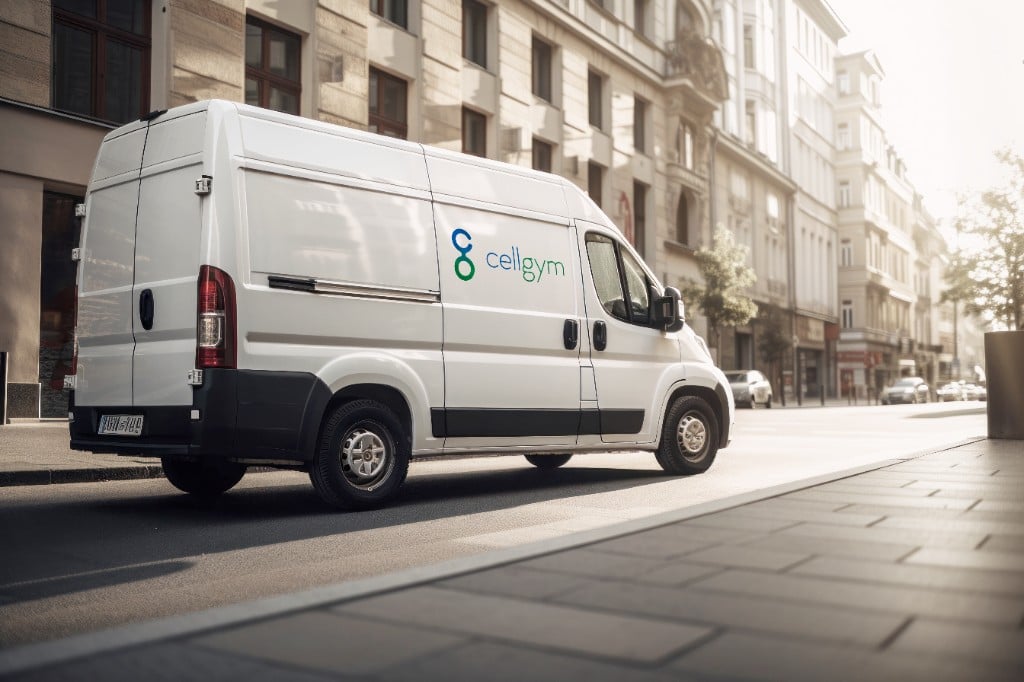
Send a non-binding enquiry and we will get in touch with you.
Answers to the most important questions on intermittent hypoxia–hyperoxia training and cellgym systems.
Intermittent hypoxia–hyperoxia training (IHHT) is a form of simulated altitude training where barometric pressure stays constant while the oxygen content of the breathing gas changes. Participants alternate between oxygen-reduced and oxygen-enriched air, similar to ascending and descending a mountain, and train the body to use oxygen efficiently, comparable to altitude training. IHHT uses dedicated hypoxia devices and masks such as cellgym®. For a safe, effective programme we recommend support from a qualified professional.
Still have questions?
Request a personal consultation